
Skylights are brilliant for bringing daylight into dark rooms. They can also mist up, drip onto plasterboard, and leave brown marks on ceilings. If you have watery glass every morning or damp patches around the reveal, you are not alone. This guide explains how to stop skylight condensation with fixes that actually last. We will cover why it happens, simple habits that help, upgrades that solve the root cause, and what it should cost in the UK in 2025.
First, Know What You are Fighting
Condensation forms when warm moist air touches a cold surface. The surface temperature drops below the dew point and water appears. A skylight is a prime target because it sits at the top of the room where warm air gathers, it cools at night under a clear sky, and it may sit in a poorly insulated shaft. If the inner glass or the surrounding plasterboard is cold, moisture will settle there.
There are three main drivers.
- Too much moisture in the air from bathing, cooking, drying clothes, or unvented gas heaters.
- Cold surfaces created by poor insulation, thin glazing, thermal bridges, or a gap in the vapour control layer.
- Stagnant air at the top of the room where moisture builds without an easy escape path.
Fixing condensation means reducing moisture, warming the surfaces, and moving air in a controlled way.
How to Tell Condensation from a Leak
Before you spend money, confirm the problem. Condensation leaves uniform misting on the inner pane, droplets that run down the glass, and damp rings that appear after cold nights or steamy showers. A leak is more likely if you see brown streaks after heavy rain, wet insulation around the frame, or drips that appear during a storm rather than on frosty mornings. You can also tape a small square of kitchen foil to the inner glass at night. If moisture forms on the room side of the foil, it is condensation in the room air. If it appears behind the foil, the skylight unit may be failing.
Quick Wins You Can Try Today
These simple habits cost little and often make a visible difference, especially in winter.
Use the vent position or trickle vent if your skylight has one. Even a small gap lets moist air escape.
Run extract fans during showers and for twenty minutes after. Keep bathroom doors closed while bathing.
In kitchens, use the hob extractor on a low setting and lid your pans.
Avoid drying laundry on radiators under a skylight. Use a heated airer with a dehumidifier nearby if outdoor drying is not possible.
Open the skylight fully for a few minutes each day. A short purge can drop indoor humidity without cooling the building too much.
Keep blinds open after bathing so air can reach the glass. Closed blinds trap moisture against a cold surface.
If you track relative humidity with a small digital meter, aim for 40 to 55 percent in living spaces. Winter may sit lower, summer can run higher, but staying within this band reduces condensation risk.
Medium Steps that Tackle the Causes
Once the quick wins are in place, turn to the fabric of the opening. This is where many problems start.
1) Improve the light shaft
Many skylights are set in a square tunnel from ceiling to roof. If that shaft has thin insulation or gaps, the plasterboard becomes a cold radiator. A good repair includes:
- Upgrading insulation inside the shaft with rigid boards cut tight, taped, and foamed at edges.
- Extending a continuous vapour control layer from the room side onto the roof window frame, then taping it to the frame collar.
- Switching to a splayed shaft, wider at the bottom than the top, so daylight spreads and air circulates.
- Sealing every joint so warm moist air cannot sneak behind the boards.
Typical cost for a well executed shaft upgrade on a straightforward roof is £250 to £600 if bundled with a glazing change, a little more if access is difficult.
2) Replace tired glazing units
Old double glazing loses performance over time. Warm edge spacers and modern low emissivity coatings keep the inner pane warmer. If your skylight is older than ten to fifteen years, a new sealed unit or a new roof window can reduce condensation noticeably. Choose:
- Low E double or triple glazing with gas fill.
- Laminated inner panes for safety where needed.
- Warm edge spacer bars to reduce cold rings at the edge of the glass.
A replacement sealed unit can be £150 to £350 depending on size and brand. A complete new roof window with flashing kit and finishing is more, often £700 to £1,600 fitted for common sizes.
3) Add controlled ventilation
Where moisture loads are high, pair the skylight with a proper extract route. Options include:
- A quiet continuous extract fan in bathrooms.
- A humidity controlled fan that ramps up when moisture rises.
- A passive vent at the top of the stair where air collects, matched with trickle vents elsewhere.
Supply air is as important as extract. If the home is very airtight, crack a background vent in a separate room so air flows toward the fan.
4) Use a dehumidifier as a helper
A compact unit can pull pints of water from the air in winter. Place it near the problem room and run it during wet activities. This is not a cure for poor insulation, but it helps when occupancy is high or drying laundry indoors is unavoidable.
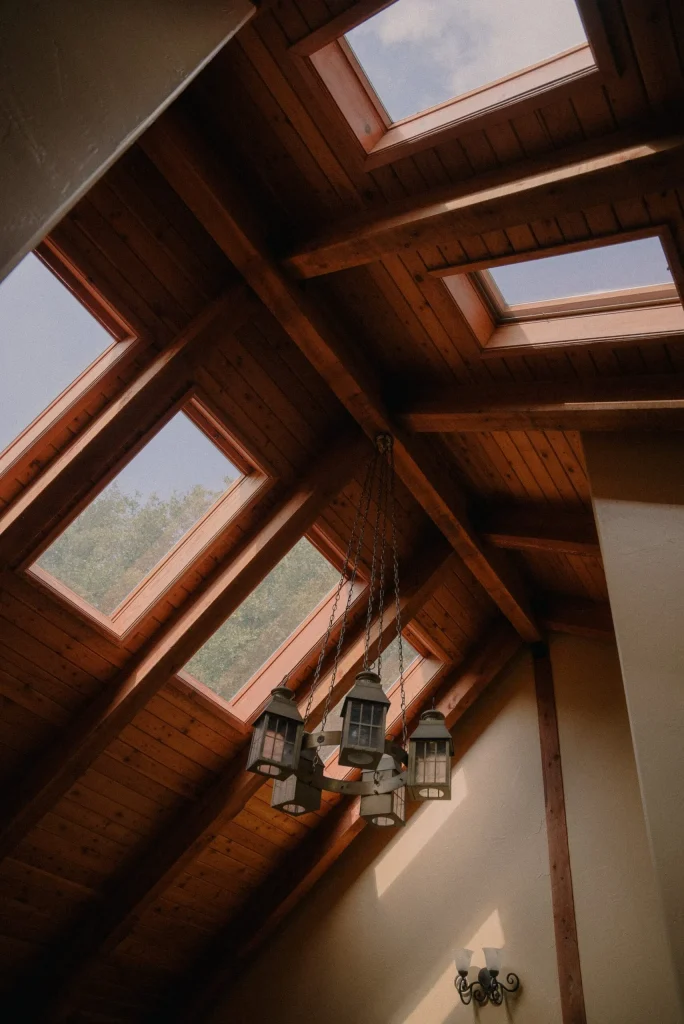
Long Term Fixes for How to Stop Skylight Condensation
If you want a solution that lasts, address thermal bridges and airtightness at the roof line. These upgrades take planning but repay you with comfort and a lower heating bill.
Warm roof or improved loft insulation
If the skylight sits in a cold roof with sparse insulation, upgrade the surrounding area so the whole roof is warmer. In a loft, continue quilt or board insulation tight to the skylight frame but do not compress ventilation spaces. In a warm roof build up, rigid insulation sits on top of the rafters which keeps the inner surfaces close to room temperature. This reduces radiant cooling of the glass.
Airtightness detailing around the frame
Air leaks carry moisture to cold zones. Most quality roof windows include a vapour barrier collar. Tape this to the room side airtight layer. Seal the junction between plasterboard and frame with a flexible sealant or proprietary trim. Tiny gaps add up, so be methodical.
Correct flashing kit and weathering
A skylight that leaks also worsens condensation by cooling the frame. If you are replacing the unit, use the flashing kit that matches your tile or slate profile and pitch. Fit the insulation collar, underfelt collar, and any drainage channels supplied by the manufacturer. This protects the reveal and helps the whole opening stay warmer and drier.
Smart shading and blinds
Thermal blinds can trap moisture if left closed over a cold pane. The trick is to use them for night comfort while keeping some airflow. Many modern blinds include a tiny gap for air movement. In bathrooms, favour moisture resistant finishes and wipe the glass after showers if you see droplets. External awnings can cut summer solar gain without chilling the inner pane in winter.
What a Best Practice Installation Looks Like
If you are replacing the skylight or refurbishing the shaft, ask the installer to follow a simple sequence.
- Protect the room and set safe access.
- Remove trims, reveal boards, and old insulation from the shaft.
- Check rafters and trimmers for moisture staining or decay. Replace any compromised timber.
- Fit the new roof window with the correct flashing kit.
- Install the insulation collar and underfelt collar so water drains around the frame.
- Continue rigid insulation around the shaft and down to the ceiling line.
- Tape a vapour control layer from the room side to the window collar with airtight tape.
- Rebuild the shaft with splayed reveals and moisture resistant boards where appropriate.
- Seal the frame perimeter and fit trims.
- Test operation, check trickle vents, and photograph the junctions for your records.
- Ask for the product data sheet, warranty, and any self certification paperwork so you can file them with your home documents.
What it Might Cost in the UK
Realistic ranges for common scenarios on a typical two storey house.
- Humidity meter and small dehumidifier. £25 to £200
- Bathroom fan upgrade with timer or humidity control. £150 to £350 supplied and fitted
- Light shaft insulation and vapour control refurb. £250 to £600 when paired with other work
- Replacement sealed glazing unit. £150 to £350
- Full roof window replacement with flashing kit and finishing. £700 to £1,600 for standard sizes, more for conservation styles or large units
- Warm roof upgrade near the window as part of wider works. Highly variable, often quoted per square metre
- Scaffold or access tower if needed. £150 to £600
- Bundle tasks where possible so you pay for access once.
Room by Room Advice
Bathrooms and ensuites
Moisture loads are highest here. Prioritise a quiet, powerful fan that runs on after you leave, a door kept closed during showers, and a dehumidifier during busy periods. Use moisture resistant paint on reveals and maintain the vapour seal around the frame.
Kitchens
Even with a skylight, always use the hob extractor. Keep the skylight on a vent setting for a short time after cooking. Avoid drying laundry in the same space.
Bedrooms and loft rooms
Body moisture adds up overnight. A small purge first thing clears the air. If a blind is needed for darkness, open it after you get up so the glass can breathe.
Hallways and landings
These spaces often have still air. A few minutes of daily purge or a discreet background vent can break the stagnant layer near the ceiling.
Myths to Ignore
“Condensation means the skylight is faulty.” – Not always. A new window in a cold, uninsulated shaft will still mist in winter. The building fabric matters as much as the glass.
“Triple glazing will stop condensation on its own.” – Better glazing helps, but you still need control of humidity and airtight junctions.
“Leave blinds closed to keep the room warm.” – Closed blinds can trap moist air against a cold pane. Use them, but give the glass time to clear.
A Simple Action Plan
Use this four step plan to stop skylight condensation for good.
- Measure. Buy a small humidity meter and note readings morning and evening for a week.
- Ventilate. Fix habits today. Fans on, doors closed for showers, short daily purge, blinds open after use.
- Insulate and seal. Upgrade the light shaft, extend the vapour control layer to the frame, and seal all trims.
- Upgrade glazing when needed. Fit modern units with warm edge technology and the correct flashing kit.
If you tick all four boxes, your skylight should stay clear in normal UK conditions.
Frequently Asked Questions About How to Stop Skylight Condensation
Is condensation between panes fixable without replacing the unit?
Moisture between panes means the sealed unit has failed. Replacement is the right fix. A competent installer can swap the glass or the whole window depending on age and condition.
Will a dehumidifier solve everything?
It helps, but it is a support act. You still need good insulation and airtightness around the window.
Can I fix the shaft myself?
Confident DIYers can add insulation and improve lining boards. The airtight layer and frame tapes are fiddly. If the window sits high or access is awkward, bring in a professional.
Do roof windows always need trickle vents?
Not always, but background ventilation helps in tight buildings. Your installer can advise based on the room use and the building regulations route.
Why does condensation look worse on clear nights?
Radiant cooling chills the outer pane under a clear sky. That pulls heat from the inner pane, which can dip below the dew point. Better glazing and a warmer shaft help.
How to Stop Skylight Condensation – Key Takeaways
- Condensation is a balance of humidity, temperature, and airflow.
- Habits make a quick difference, but the long term cure is a warm, airtight light shaft with the right glazing.
- Controlled ventilation and a good fan keep moisture in check.
- Upgrading the glazing or the entire roof window is worthwhile if the unit is old or the seal is failing.
- Document the work so you can show buyers and insurers that the opening is built correctly.
Book Your FREE Skylight Survey and an Itemised Proposal
Ready to stop skylight condensation for good? LD Roofing will inspect from the roof and the room side, measure humidity, check the shaft insulation and airtight layer, and photograph any weak spots. We can refurbish the light shaft, replace glazing or the full roof window, fit the correct flashing kit, and upgrade ventilation where needed. Every quote is itemised so you can see exactly what you are paying for. If you are comparing options across the UK, or you are local to Northamptonshire, Bedfordshire or Milton Keynes, we will measure properly, show you what we find, and provide a fixed proposal with clear timelines. Call 01604 372453 or use our online enquiry form to request your survey and FREE quotes.