If you’ve been Googling “what is a warm roof”, you’re probably weighing up the best way to insulate a flat roof, an extension or a loft conversion. The build-up you choose affects comfort, energy bills and the life of the roof. In this guide we’ll explain how a warm roof works, why it’s often preferred over a cold roof, what it typically costs in the UK, and the situations where it genuinely shines. You’ll also find practical pointers from the team at LD Roofing Services LTD so you can plan with confidence.
First things first. What is a warm roof?
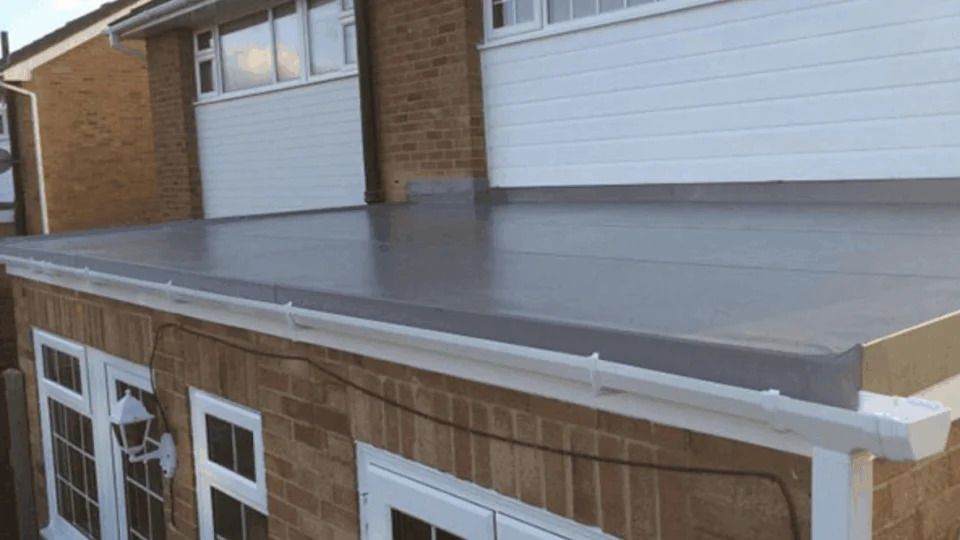
A warm roof is a build-up where the insulation sits above the structural deck or rafters, keeping the entire roof structure on the warm side of the insulation. This applies to both flat and pitched roofs. The key idea is simple. By moving insulation to the outside of the structure, you reduce cold voids and minimise condensation risk within the roof because the structure is warm, you usually do not need cross-ventilation of the voids.
Common warm roof stacks look like this:
Warm flat roof (timber deck)
- Internal ceiling finish
- Vapour control layer (VCL)
- Structural deck (usually OSB or plywood)
- Rigid insulation boards above the deck
- Waterproof membrane or single-ply system
- Edge trims, outlets and upstands
Warm pitched roof (loft conversion)
- Internal finish to rafters
- VCL and airtightness layer
- Insulation between rafters
- Additional rigid insulation over rafters to remove cold bridges
- Breathable underlay, battens and tiles or slates
That’s the essence of “what is a warm roof”. You wrap the structure in insulation and keep it warm and dry.
Why choose a warm roof over a cold roof?
Cold roofs put insulation at ceiling level and rely on ventilation of the void above, this can be fine for unused lofts with simple geometry. However warm roofs come into their own when you want the space beneath to be comfortable and free of draughts, or when ventilation paths would be tricky to maintain.
Advantages at a glance
- Lower condensation risk: The structure stays on the warm side, so internal moisture is less likely to condense within the roof.
- Better thermal continuity: Over-rafter or over-deck boards help eliminate cold bridges at timber members.
- No fiddly cross-ventilation: Helpful on flat roofs, low pitches and complex shapes.
- Comfort you can feel: Rooms under warm roofs are more even in temperature, winter and summer.
- Great for conversions and extensions: The build-up suits habitable spaces and meets modern energy targets more easily.
Are there any downsides?
- Overall height: Insulation above rafters or decks adds thickness. You might need to adjust fascias, gutters and upstands to accommodate.
- Cost: Warm roofs use rigid boards and more layers, so material and labour costs are higher than a basic cold roof.
- Detail-sensitive: You must get the vapour control and airtightness right. Detailing at penetrations and junctions matters.
At LD Roofing Services LTD we assess these points on a survey, confirm what is feasible on your property and design details that meet Building Regulations without spoiling the look of the roof.
Typical UK costs
Prices vary with access, materials and condition, but these ballparks help with budgeting:
- Warm flat roof overlay or replacement: usually £120–£170 per m² for uPVC single-ply or bituminous membrane systems with PIR insulation. Premium systems, complex outlets or tapered falls can push this to £180–£230 per m².
- Warm pitched roof (re-roof with over-rafter boards): commonly £150–£250 per m², depending on tile type, rafter depth, insulation thickness and scaffolding.
- Loft conversion warm roof package: because this includes structural work, windows and finishes, the roofing component of the package often lands around £3,500–£7,500+ for a typical semi, within the overall conversion cost.
What changes the number?
Insulation thickness, choice of membrane or tile, number of rooflights, state of the existing deck or rafters, and access. We provide fixed, itemised quotes so you can see exactly where the money goes.
How a warm roof controls moisture
Condensation risk is the part most homeowners worry about. A well-detailed warm roof tackles it in three ways:
- Airtight layer at ceiling or rafter line stops moist indoor air reaching cold spots.
- High-performance VCL controls vapour diffusion.
- Continuous insulation above keeps the structure warm, so any moisture that does pass through does not hit dew point within the timber.
Breathable underlays help with incidental moisture in pitched roofs, and flat roofs rely on the waterproof layer to keep rain out while the VCL handles vapour from inside. Installed correctly, the build-up stays dry for the long term.
Warm roof materials we trust
- Insulation: PIR boards are the usual choice thanks to a strong thermal value per millimetre. Mineral wool and wood fibre can be used where breathability or acoustics are priorities.
- VCLs and airtightness tapes: specified to suit the internal humidity class of the room below. Bathrooms and kitchens need special attention.
- Membranes and coverings: for flat roofs, single-ply, liquid systems or bituminous felt. For pitched, a quality breathable underlay, battens and the tile or slate that suits your area.
At LD Roofing Services LTD we match the system to your roof type, exposure and budget, and we follow each manufacturer’s guidance so warranties remain valid.
When to choose a warm roof
- Loft conversions and rooms in the roof: You want warm rafters, minimal cold bridges and a comfortable living space.
- Flat roofs and low pitches: Ventilation is hard to get right. A warm roof avoids the cold void that can trap moisture.
- Extensions and garden rooms: If the space is heated or cooled, a warm build-up protects the structure and keeps energy bills down.
- Re-roofs where you want a step-change in performance: Over-rafter boards plus a good underlay deliver a noticeable improvement in comfort.
- Properties in exposed or coastal locations: Less reliance on ventilation means fewer issues with wind-driven rain entering vents.
What about Building Regulations?
Part L sets targets for heat loss. A warm roof makes it straightforward to reach the required U-values because you can choose the exact insulation thickness. Moisture guidance under Part C and BS 5250 emphasises controlling interstitial condensation. The warm build-up aligns well with that, provided the VCL and airtightness are detailed properly. We handle the calculations and product specs, then document them for your records.
A quick look at installation
- Survey and specification
We measure up, check the deck or rafters, look at upstands and gutters, and confirm the best insulation thickness. - Preparation
Strip or clean the existing surface, repair timbers and set any falls on flat roofs with tapered insulation if needed. - VCL and airtightness
Fit and tape the VCL, paying extra attention around penetrations, rooflights and perimeter edges. - Insulation
Lay rigid boards tightly with staggered joints. For pitched roofs, fix over-rafter boards and reinstate counter-battens and battens. - Waterproofing and covering
Install the chosen membrane or re-tile, add trims, flashings and verge or ridge systems, then complete outlet and gutter detailing. - Quality checks
We photograph each stage, run through a snag list and provide aftercare notes.
Maintenance and lifespan
A warm roof is low maintenance once installed. For flat roofs, keep outlets clear, check joints after extreme weather and avoid heavy foot traffic unless a walkway is designed in. For pitched roofs, an annual visual check from the ground is usually enough. With good materials and proper installation, you can expect 20–30 years from many systems, and longer from premium coverings.
Common questions we hear
Will my roof look thicker?
There is a small increase in build-up. We design edges and gutters so the profile looks tidy and proportionate to the house.
Is a warm roof noisier in the rain?
No. In many cases it is quieter because the thicker insulation dampens sound.
Can you upgrade my current flat roof to warm without a full tear-off?
Often yes. If the existing deck is sound, an overlay system can add insulation and a new membrane in one go.
Is it worth the extra cost over a cold roof?
If the space below is habitable or ventilation is difficult, the answer is usually yes. The comfort and moisture control benefits are significant.
Why choose LD Roofing Services LTD
If you arrived here wondering “what is a warm roof” and whether it fits your project, we can help you decide. Our surveyors and installers work with warm systems every week. We provide:
- Clear, itemised quotes with realistic timelines
- Product options to suit budget and appearance
- U-value calculations and documentation for Building Control
- Manufacturer-approved installation and photographed quality checks
- Workmanship guarantees and sensible aftercare
Looking for tailored advice?
A warm roof keeps the structure inside the thermal envelope, which makes your rooms more comfortable and your roof more resilient. It shines on flat roofs, loft conversions and any project where you want modern performance without the headaches of ventilating cold voids. If you’d like tailored advice, a survey or a quote, LD Roofing Services LTD is ready to help. Tell us about your roof and we’ll design a warm solution that looks smart, meets regs and lasts.