Thinking about taking down a tired chimney stack? Maybe it leaks, leans, or has loose pots, and you want it gone before it causes any bigger problems. This guide sets out the real cost of chimney stack removal in the UK, explains the steps from survey to sign-off, and gives you practical tools you can use right away. You will find sample itemised quotes, mini case studies, a timeline, and a checklist of questions to ask a contractor. The goal is simple. Help you budget with confidence and avoid avoidable risks.
Quick Snapshot of Typical Costs
For a standard two storey house, removing only the external stack to roof level usually falls between £900 and £2,300. London, coastal exposure, steep pitches, or awkward access can push higher. Full removal that continues down through the house with structural work and making good can range from £4,500 to £6,500 and sometimes more where steels, party wall surveyors, or premium finishes are involved.
These are guide figures. The final cost of the chimney stack removal depends on scaffold, roof type, leadwork, waste, design fees, and what remains of the chimney inside the house.
What You are Actually Removing
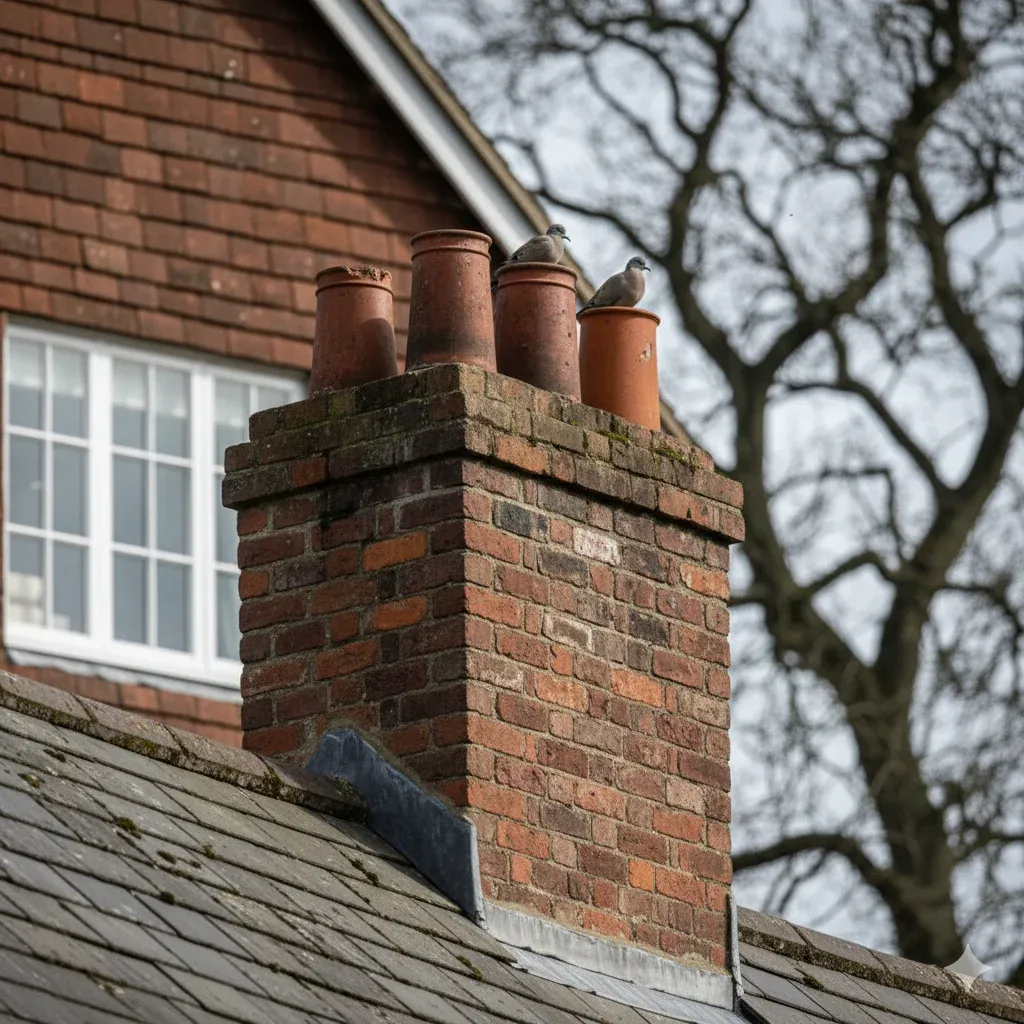
The “stack” is the brickwork you can see above the roofline, often with a crown or flaunching and one or more pots. Removing the stack is very different to removing a chimney breast in a room. Stack removal is an external job that ends at or slightly below the roof surface, followed by patching the roof so it is weather tight. Breast removal is an internal job that needs structural support if any chimney remains above.
Knowing which you want helps you get like for like quotes and keeps costs under control from the get go.
Do You Need Permission or Paperwork?
Planning – Most homes can remove a chimney stack under permitted development. If your home is listed, in a conservation area with strict design rules, or in a block with leasehold restrictions, check first. It takes minutes to call the local planning duty officer and it can save you lots of hassle.
Building regulations – If you only remove the external stack and you do not leave unsupported masonry behind, a building regulations application is often not required. If any part of the chimney remains supported within the structure, you will need structural design and an inspection route. That normally means a structural engineer’s calculations and building control sign-off.
Party Wall – If the chimney sits on or includes a party wall with a neighbour, you will likely need to serve notice. Allow time. If your neighbour dissents, surveyors are appointed and there will be fees. The cost is justified if it prevents a boundary dispute later.
Insurance – Let your home insurer know before work starts. Some policies require notice for structural alterations. A quick email keeps your cover clean.

The Real Cost Drivers, Explained Simply
Access and height
Safe access is the big swing factor. A small access frame that reaches a low stack can be a few hundred pounds. Full elevation scaffold on a three storey townhouse can be four figures. If there is a conservatory, a fragile roof, or a steep pitch, scaffold becomes more complex and time extends.
Roof covering and leadwork
Matching slate on a Victorian terrace costs more than patching concrete tiles on a 1990s semi. Lead prices move and the detail of the flashing matters. Proper code 4 or code 5 lead and correct laps are not cheap, but they stop water getting in.
Size and condition of the stack
A wide double flue stack with cracked flaunching and unstable bricks needs more time and careful dismantling. Pots, cowls, and redundant liners add weight and waste.
What happens inside?
If you only remove the stack and cap off below roof level, the job stays outside. If you go further and remove internal breasts to square off rooms, you will pay for steels or gallows brackets where permitted, plastering, skirting, flooring patching, and redecorating. This is where totals can rise quickly.
Regulations, neighbours, and fees
Engineers, building control, and party wall surveyors all protect you, but they add to the headline number. Budget for them where relevant.
A Realistic Itemised Example Estimate
Here is a sample itemised quote for removing a typical single flue stack on a two storey house outside a major city. Use this as a benchmark to compare supplier proposals.
- Scaffold access to front elevation around chimney. £420
- Careful hand dismantle of stack, pot removal, safe lowering. £280
- Waste removal and licensed disposal of brick, mortar, pot. £120
- Roof patch. Replace felt and battens locally. Fit 12 matching tiles. £260
- Lead saddle and flashing to suit roof profile. £190
- Temporary weather protection during works. £40
- Final clean down and photos. £30
- Contingency allowance for hidden defects. £80
Subtotal – £1,420
VAT at 20 percent – £284
Total – £1,704
If an engineer is required because the internal chimney remains, add £300 to £600 for calculations. If building control is involved, add an application and inspection fee, often £200 to £400. If a party wall surveyor is appointed, fees vary widely. Two surveyors can add four figures.
Three Mini Case Studies
Northampton 1930s semi straightforward stack removal
Access from the driveway made scaffolding easy. The roofer matched common concrete interlocking tiles. All in at £1,250 including waste. Done in one long day, with a return visit for a rain check and final photos.
Corner stack over a lean-to kitchen, in Milton Keynes, with brittle polycarbonate roof
Scaffold bridged over the lean-to and needed extra bracing. The stack had two pots and a cracked crown. Lead saddle and slate patching took time. Final total £2,350 – still cheaper than repeated leak damage and repainting each year.
Bedford full removal to create a square bedroom
The homeowner wanted space for fitted wardrobes. Engineer specified a small steel on padstones. Building control inspected the steel before boxing in. Total £5,900 including plastering and decorating. Value created in usable space and a clean layout.
How Long Does it Take?
- Survey and photos. 30 to 60 minutes on site.
- Quote and scheduling. 1 to 3 working days.
- Scaffold up. Half a day, sometimes less.
- Removal and roof patch. One day for a standard stack, two if complex.
- Scaffold down. Half a day.
Add time for engineer design, party wall notices, and building control where needed. Good contractors give you a simple schedule that fits the weather.
Step by Step Process You Can Expect
- Roof-level survey with photos and a simple condition report
- Clear options. Remove the stack or repair the crown and flashing
- Written quote with line items and a fixed time window
- Scaffold installation with checks on ties and boarding
- Hand dismantle of the stack and safe lowering of materials
- Roof patch with felt, battens, tiles, and proper lead details
- Water test if safe, tidy site, and photo sign-off
- Warranty details and advice on future maintenance
Mistakes that Increase Costs Later
- Using foam or mortar as a shortcut under tiles. This traps water and fails.
- Poor lead laps or thin lead. Small savings up front, big leaks later.
- Leaving unsupported brickwork inside the loft. This is unsafe and may void insurance.
- Not telling the insurer or not dealing with party wall notices. Disputes delay the job and add fees.
- No photos or weak documentation. Hard to assess quality once the scaffold is gone.
Questions to Ask Every Contractor
Will you inspect from the roof and provide photos?
What is included in the remove chimney stack cost and what is excluded?
How will you match my tiles or slates?
What lead code and detail will you use for the saddle and flashing?
How is waste handled and is it included?
What happens if rotten battens or a cracked rafter is found?
Do I need an engineer or building control for my specific job?
Can you show public liability insurance and a sample method statement?
What warranty do you offer on workmanship and materials?
Regional Notes that Change Price
- London and inner South East often carry higher labour and scaffold rates.
- Coastal towns sometimes see heavier corrosion on lead and fixings.
- Steep slate roofs in parts of Wales and the South West demand more time on safe footing.
- Historic terraces in northern cities often have narrower access, which changes scaffold design and loading.
Repair vs Removal. When to Keep the Stack
It is worth repairing if the brickwork is fundamentally sound and leaks come from failed crown or flashing. Typical repairs include repointing, new flaunching, new lead step flashing or soaker trays, a new pot or cowl, and a simple cap on unused flues. Removal becomes sensible when the stack is leaning, cracked through, or repeatedly causing leaks despite repairs. If your heating and fireplaces are redundant, removing a troublesome stack can remove a future liability.
Simple Budget Planner
Use this rough planner to shape your budget before quotes arrive.
- Base remove chimney stack cost for two storeys. £1,200 to £1,800
- Access premium for complex scaffold. Add £300 to £900
- Slate match or premium lead detail. Add £150 to £400
- Engineer and building control if needed. Add £500 to £1,000
- Party wall surveyors if appointed. Add a contingency of £1,000 plus
Plug in what applies to your home. You will land close to a realistic figure.
Documentation that Proves Quality
Ask for three things at handover – before and after photos from the roof, including the patch area and leadwork.
A brief method statement or work summary that lists materials used.
Warranty details that name the company, scope, and duration.
Keep these with your home file. They help with resale and future maintenance.
Frequently Asked Questions About the Cost of Removing a Chimney Stack
Can I remove a stack without scaffolding?
Occasionally a small access tower or a cherry picker is used. Most safe, insured contractors prefer scaffold because it allows careful hand demolition and allows for proper craftmanship. It also keeps falling debris under control.
Do I have to remove the internal chimney as well?
No. You can remove only the external stack, cap or vent the flue below, and leave internal breastwork untouched. Many homeowners do this to cure leaks and tidy the roofline while avoiding internal disruption.
What happens if there is a flue liner?
Redundant liners are removed from the top during dismantling where practical. If a live appliance still uses the flue, the job changes. You would either repair instead of remove, or switch the appliance to a different flue or venting system after design checks.
Will removal affect my roof structure?
The chimney often sits on the wall plate or passes through rafters. A competent roofer will check for notches or cut rafters and will add trimming if needed around the patch. This is one reason you want a roof-level survey and photos before work begins.
What time of year is best?
Dry, settled weather is ideal, but a well planned team can work through most seasons. The key is temporary weathering and a plan to complete the patch the same day.
Simple Quality Checklist for Homeowners
- Photos taken before, during, and after
- Tiles or slates matched in profile and colour as closely as possible
- New breathable underlay lapped correctly
- New battens fixed with the right gauge nails
- Proper lead saddle and flashing installed with correct laps and fixings
- Waste removed and site left tidy
- Handover pack with photos, warranty, and advice
Book a FREE Site Survey and an Itemised Quote with LD Roofing
Ready for a straight survey and a fixed, itemised chimney repair cost? LD Roofing will inspect from the roof, take clear photos, and talk you through your options in plain English. From flashing repairs, repointing, flaunching, pots and cowls to liners or partial rebuilds, we price each element so you can choose with confidence. If you are budgeting for chimney repair cost UK wide, or you are local to Northamptonshire, Bedfordshire or Milton Keynes, we will measure properly, show you exactly what we find, and give you a transparent quote so you know where every pound goes. Call 01604 372453 or fill out our online enquiry form to book your survey or request a fixed proposal today.
Key Takeaways
- The typical remove chimney stack cost for a two storey home sits around £900 to £2,300
- Full removal with internal work and making good can reach £4,500 to £6,500
- Scaffold, roof type, and regulations are the real cost drivers
- Photos, itemised quotes, and proper leadwork separate good jobs from poor ones
- Planning is usually straightforward, but building regs and party wall can apply
Use this guide to brief contractors, compare quotes line by line, and choose the right approach for your roof. If you want help interpreting an itemised quote, share the line items and we can walk through them together.