
If you are planning a replacement or trying to squeeze a few more years from an older roof, the first thing you want is a straight answer to one question. How long does a roof last. The honest reply is that it depends on the material, the build quality, the weather where you live, and how well you look after it. This guide gives you realistic UK lifespans by roof type, explains what shortens or extends those years, shows simple maintenance that actually helps, and lays out a repair or replace decision path you can use today.
The quick answer by roof type
These are sensible UK ranges for a well built roof looked after with basic care. Your result may sit above or below depending on exposure, detailing, and maintenance.
- Concrete interlocking tiles. Often 30 to 50 years
- Clay tiles. Often 40 to 70 years, with premium clay lasting longer
- Natural slate. Often 70 to well over 100 years when fixed correctly
- Fibre cement slate. Often 25 to 40 years
- EPDM rubber on flat roofs. Often 20 to 30 years, more with careful detailing
- GRP fibreglass. Often 20 to 30 years
- Built up felt systems. Often 15 to 25 years, more for high grade multi layer systems
- Metal standing seam or coated sheet. Often 30 to 60 years depending on coating and exposure
- Green roofs. The waterproof layer can match EPDM or bituminous life if protected, while the planting needs its own care plan
If you only remember one thing, remember this. Good detailing and regular checks matter more than the brochure number. A modest slate roof with tidy valleys and sound flashings can outlast a premium tile roof with poor laps and blocked gutters.
What really controls roof lifespan
1) Weather exposure and location
Coastal wind and salt, high ridge positions, and deep shade under trees change the odds. Roofs near the sea see faster fixings corrosion. Roofs on exposed ridges see stronger uplift. North facing slopes stay wet and grow moss faster. All of that influences how long a roof lasts.
2) Build quality and detailing
Underlay choice, batten grade, fixings, headlaps, valley details, and flashings make or break longevity. A textbook lead saddle behind a chimney and properly clipped ridges can add decades. Thin laps, nails through water paths, and cut corners take years away.
3) Ventilation and moisture
A dry structure lasts. Loft ventilation, vapour control layers, and warm roof designs keep timber and metal dry. Poor airflow leads to condensation that looks like a leak and quietly shortens life.
4) Maintenance and minor repairs
Gutters, valleys, and outlets do not clean themselves. Two short checks a year prevent ponding, reduce freeze damage, and stop water from tracking under coverings. Small fixes early are cheaper than big fixes late.
5) Foot traffic and add ons
Solar installs, aerials, and repeat trades access can crack tiles and compress flat roof membranes. Protect access routes and insist on proper roof gear. Storage on flat roofs is a big life stealer.

How long does a roof last if you maintain it
Think of lifespan as a curve you can shift. A roof that should see 25 years might only reach 15 if left alone under heavy trees. The same roof can reach and exceed its target if you do a few simple things.
Spring. Clear gutters and valleys, check flashings, replace a handful of cracked tiles, and photograph tricky junctions
Autumn. Repeat the clean after leaf fall, check ridges and verges, and confirm water drains away within a day on flat roofs
After storms. A quick look for slipped tiles or lifted ridge pieces pays for itself
Fifteen minutes from the pavement and one callout a year is enough for many homes.
Warning signs that a roof is near the end
Pitched roofs
- Widespread granular loss on concrete tiles and a patchy, thin surface
- Multiple slipped slates or tiles across different slopes
- Brittle mortar ridges that crack again after repointing
- Lead flashings that have split, undersized aprons, or missing saddles
- Persistent leaks after several small repairs, often at different places
- Sagging lines that suggest timber wear rather than a single broken member
Flat roofs
- Ponding that remains for days after rain
- Blisters that move and cross seams
- Cracks or crazing at corners or upstands
- Perished pipe boots or split trims
- Repeated patching that looks like a quilt
- A single fault is not the end. Patterns across the roof usually are.
Repair or replace. A simple decision path
Start with these questions.
- Is the damage local or widespread?
- Are the leaks coming from poor detailing that can be corrected
- Are the tiles or slates themselves failing, or is it the system around them
- Is the timber structure sound
- Does access make staged repairs inefficient
Choose repair when
- A few broken tiles or slipped slates are the problem.
- A flashing or valley is clearly the cause
- The roof is otherwise tidy and within its expected life
Choose replacement when
- Failures appear across several slopes
- Tiles are soft or slates are delaminating widely
- Underlay has perished to dust and eaves are failing
- You want to improve structure, insulation, and ventilation in one planned project
A good contractor will show roof level photos and explain which side of the line you are on. Ask for options with clear prices so you can choose.
How long does a roof last by material? with pros and cons
Concrete interlocking tiles
Lifespan. Often 30 to 50 years
Strengths. Good value, fast to fit, wide choice of profiles
Risks. Surface can thin and shed grit, edges chip with heavy foot traffic
What helps. Clip systems at the ridge and verge, correct headlaps, regular gutter care
Clay tiles
Lifespan. Often 40 to 70 years, premium clay can exceed that
Strengths. Beautiful finish, colour baked in, durable
Risks. Brittle when old, needs careful walking and correct fixing patterns
What helps. Experienced installers, matched fittings, careful flashing details
Natural slate
Lifespan. Often 70 to 100 plus years
Strengths. Very long life, timeless look, easy to repair with individual pieces
Risks. Weakness if nailed with the wrong fixings, poor gauge can cause failures
What helps. Copper or stainless nails, correct headlaps, tidy valleys and leadwork
Fibre cement slate
Lifespan. Often 25 to 40 years
Strengths. Uniform look, predictable sizing, lighter than natural slate
Risks. Edge wear with pressure washing, fixings corrosion if poor grade used
What helps. Quality fixings, gentle cleaning, consistent ventilation
EPDM rubber
Lifespan. Often 20 to 30 years
Strengths. Large sheets with few seams, flexible, good UV resistance
Risks. Ponding and poor adhesion if fitted in cold or wet weather
What helps. Warm roof build up, good falls to outlets, correct primers at seams
GRP fibreglass
Lifespan. Often 20 to 30 years
Strengths. Seamless field, crisp edges, easy to detail at small roofs
Risks. Cracking on large spans if not detailed for movement, poor cure in cold
What helps. Correct trims, expansion joints on long runs, fair weather install
Built up felt systems
Lifespan. Often 15 to 25 years
Strengths. Proven, cost friendly, robust when multi layer and well detailed
Risks. Edge failures and blistering if trapped moisture is present
What helps. Venting layers, proper laps, good upstands, protection boards under plant
Metal standing seam or coated sheet
Lifespan. Often 30 to 60 years
Strengths. Long life, fast drainage, low maintenance when detailed well
Risks. Cut edge corrosion where coatings are damaged, noise if not isolated
What helps. Correct fixings and clips, compatible sealants, protection at cuts
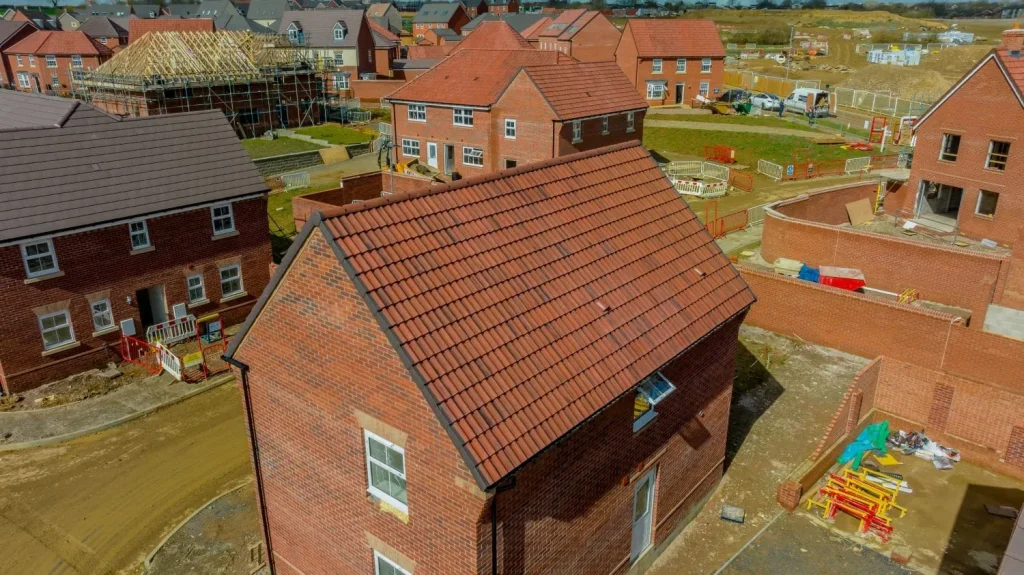
Lifespan and insulation choices
Warm roofs place insulation above the deck and keep the structure close to room temperature. That reduces condensation and the stress of thermal cycling, which can extend life for flat roofs and improve comfort in pitched roof conversions. Cold roofs with insulation at ceiling level can last perfectly well when ventilation is right, but they are less forgiving if vents are blocked or if downlights let moist air into the loft. If you are planning a replacement, ask how the insulation approach affects lifespan and running costs.
Warranties and what they really cover
Manufacturers often offer material warranties that run from ten years to several decades. Installers offer workmanship warranties that cover the way the roof was fitted. Read both. Warranties rarely cover blocked gutters, third party damage, or work by others after installation. Keep invoices, data sheets, and photos in one file. If you ever claim, a tidy record helps.
How often should a roof be inspected?
New or refurbished roofs. A quick check at one year to catch bedding in issues
Standard homes. Spring and autumn from the ground and a yearly roof level look with photos
Heavy tree cover, coastal, or ridge top homes. Quarterly ground checks and an extra roof level visit after big storms
Flat roofs. Spring and autumn plus after major storms to clear outlets and note any new ponding
You do not need to climb a ladder for the basic checks. A phone camera with zoom from the pavement shows more than you think.
Costs and value over time
A long lasting roof costs more up front, but the total cost of ownership can be lower. Here is how to think about value.
A slate roof that costs more today but lasts twice as long can beat a cheaper tile roof on pounds per year
A warm roof with better insulation saves on heating and reduces condensation cycles that age materials
A dry ridge system that resists storms may cost more at install and save you several callouts later
Planned replacement with scaffold used for gutters, fascias, and minor joinery at the same time reduces future access spend
Ask contractors to quote options so you can compare life and value, not just headline price.
How to extend the life you already have
- Keep gutters and valleys clear to stop standing water
- Protect flat roof surfaces with walkway tiles where people step
- Trim trees to reduce shade and leaf load
- Replace brittle mortar ridges with dry ridge systems where suitable
- Upgrade small flashings and add eaves support trays during repairs
- Treat moss with a gentle method rather than aggressive pressure washing
- Photograph key details each year and compare the line, the laps, and the flashings
None of this is difficult. Most of it can be done during a single annual visit.
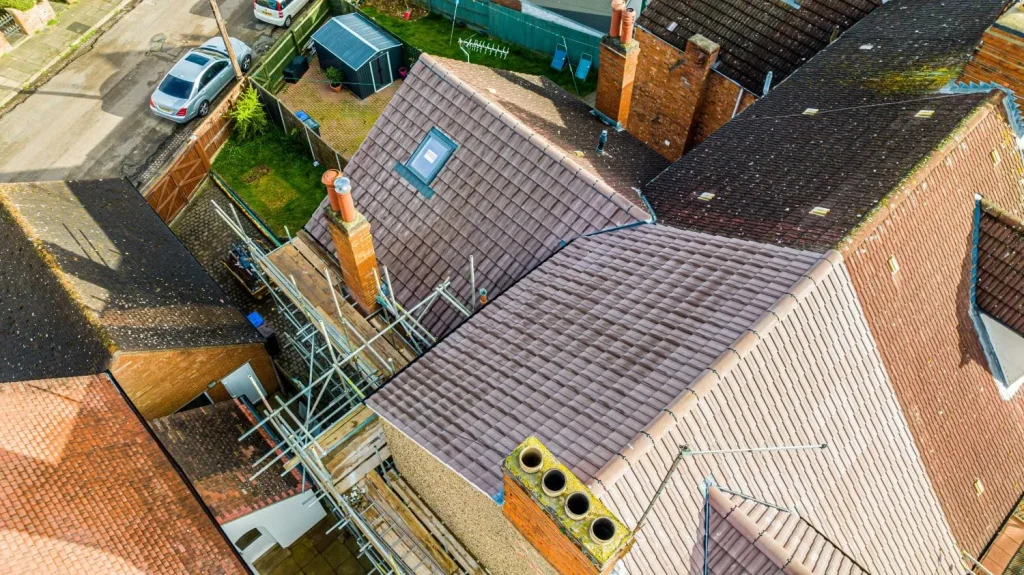
Frequently asked questions about how long does a roof last
Will cleaning a roof make it last longer?
Cleaning gutters and valleys helps. Gentle treatment of moss on tiles helps too. High pressure washing can strip coatings and shorten life. Choose soft methods and focus on drainage.
Does a new roof always solve condensation in the loft?
Not by itself. Condensation is about ventilation and vapour control as well as coverings. A good contractor will look at airflow and insulation while planning the roof.
Can I patch a flat roof forever?
Small patches work for isolated issues. If you are patching often in different places, plan a refurbishment with better falls and new upstands. It is cheaper over five to ten years.
How long do solar installs affect lifespan?
Solar does not have to shorten life if the mounting system and flashings are correct. Protect walk routes and insist on a roofer involved in the waterproofing details.
Is lifespan mainly about the brand?
Brand matters, but build quality and detailing decide the final number. Pick the right system and the right installer.
Key takeaways
The practical answer to how long does a roof last depends on material, detailing, exposure, and care
Concrete tiles often see 30 to 50 years, clay 40 to 70, slate far longer, and quality single ply or GRP flat roofs around 20 to 30
Two simple checkups a year prevent many failures and add years for very little cost
Use a clear decision path to choose repair or replacement and ask for options that show life, not just price
Keep a neat record of photos, products, and invoices so you can prove care and protect warranties
Book a FREE roof survey and an itemised plan
Want a straight answer on how long does a roof last? Book your FREE quote and tailored feedback and advice on how to better prepare your roof. LD Roofing will inspect from the roof and the loft, photograph every junction, and give you a simple life expectancy range with options to extend it. We can plan small repairs, upgrade flashings and ridges, improve ventilation, or quote for a full replacement with the right insulation. Every proposal is itemised so you know where every pound goes. If you are comparing across the UK, or you are local to Northamptonshire, Bedfordshire, or Buckinghamshire, we will measure properly, show you what we find, and give you a fixed proposal with clear timelines. Call 01604 372453 or use our online form to request your survey and free quotes.