
You want your home to look sharper, last longer, and feel more energy efficient. The right exterior finish can do all three. This guide rounds up the best external wall cladding ideas for UK homes right now, explains where each option works best, and shows you how to specify a system that performs in real weather for real years. This blog is direct to the point full of useful detail and a clear path from inspiration to installation.
Why Cladding is Worth Considering
Cladding is more than a face lift. Done well, it can protect your walls from wind driven rain, add a ventilated cavity that helps moisture escape, improve thermal performance when combined with insulation, and boost kerb appeal. The trick is to match the look you want with a system that suits your building, your local climate, and your maintenance appetite.
The Quick Shortlist
If you only have five minutes, start here.
- Timber for natural warmth and a soft, modern look
- Composite boards for low maintenance timber effect
- Fibre cement for crisp lines and stable colour with minimal upkeep
- Metal for a bold contemporary statement and long life
- Brick slips for a classic brick feel without full masonry
- Stone veneer for heritage texture at a lighter weight
- High performance render for a clean, minimalist finish
- Mixed facades for depth, contrast, and a custom signature
Now let us dig into the external wall cladding ideas in detail so you can choose with confidence.
Timber Cladding that Ages Well

Timber brings warmth and character that man made materials struggle to copy. It is also versatile. You can take it rustic, Scandinavian, or sharp and urban depending on profile and finish.
Best species for UK exteriors
Thermally modified softwood, western red cedar, larch, and accoya are common choices. Each has different colour, grain, and durability. If you want a consistent pale tone, look at thermally modified boards. If you like warm reds that will silver out, cedar is a classic.
Profiles and layouts
Shiplap and tongue and groove give neat shadow lines. Rainscreen profiles like open joint boards add depth with a ventilated gap. Vertical cladding reads taller and modern. Horizontal cladding can lengthen a facade and feels more traditional.
Finish and maintenance
Left untreated, most species weather to silver grey. If you want to hold a specific colour, specify factory coating and plan light maintenance coats. Fixings and detailing matter. Use stainless steel screws. Keep the bottom edge off paving. Ventilate behind the boards so they can dry.
Where timber shines
Front gables, entrance canopies, dormers, and extensions where a warm material can soften brick or render. It also works beautifully in mixed facades with dark framed windows.
Composite Cladding for a Timber Look with Fewer Chores
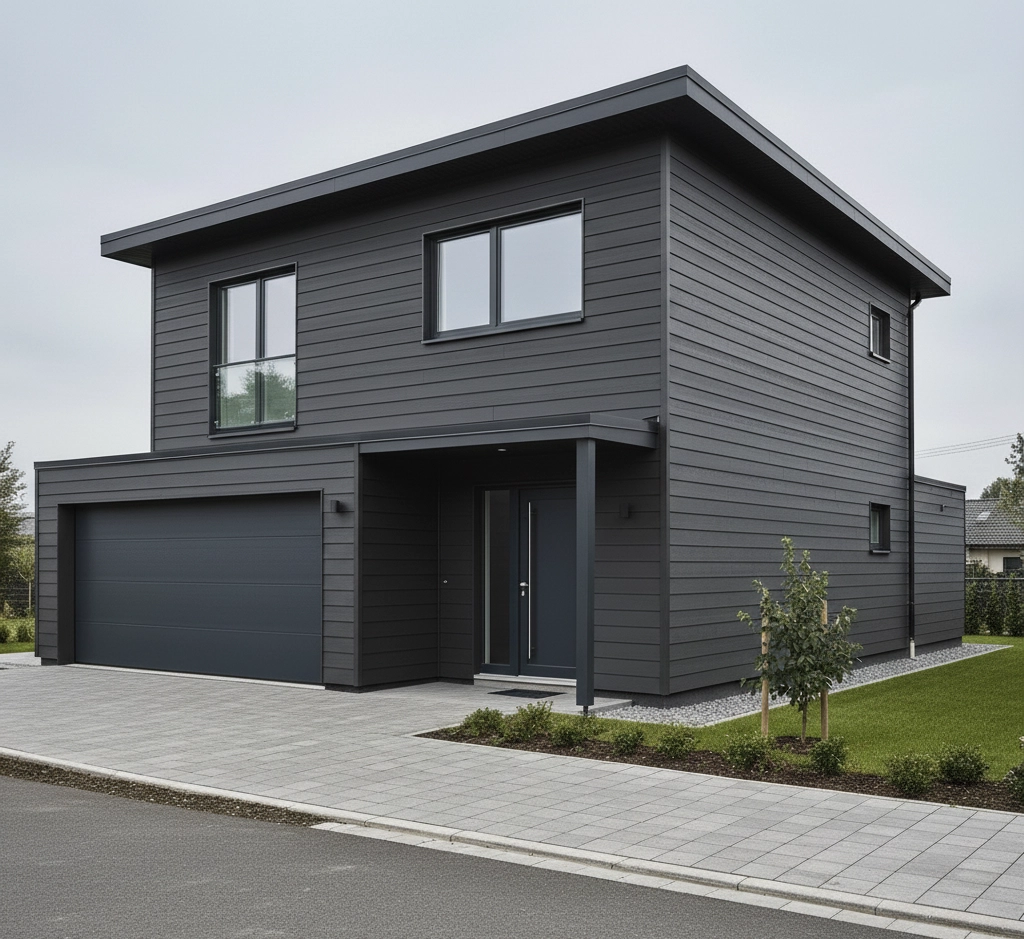
Composite boards blend wood fibre with polymers. The goal is to deliver a timber effect that resists rot and needs less upkeep.
Look and feel
The latest composites have better grain patterns and varied tones across boards to reduce repetition. If realism is a priority, order full length samples and view them outdoors in daylight. Pair with colour matched trims to keep joints tidy.
Performance notes
Composites are stable and easy to clean, which makes them good for high splash areas and coastal sites. They still need correct substructure and drainage behind the cladding. Avoid dark colours on south facing walls if overheating is a concern.
Good use cases
Wrap around extensions, first floor bands, balcony cheeks, and garden rooms. They are also handy for homeowners who want the timber look without regular re-finishing.
Fibre Cement for Crisp, Low Maintenance Lines
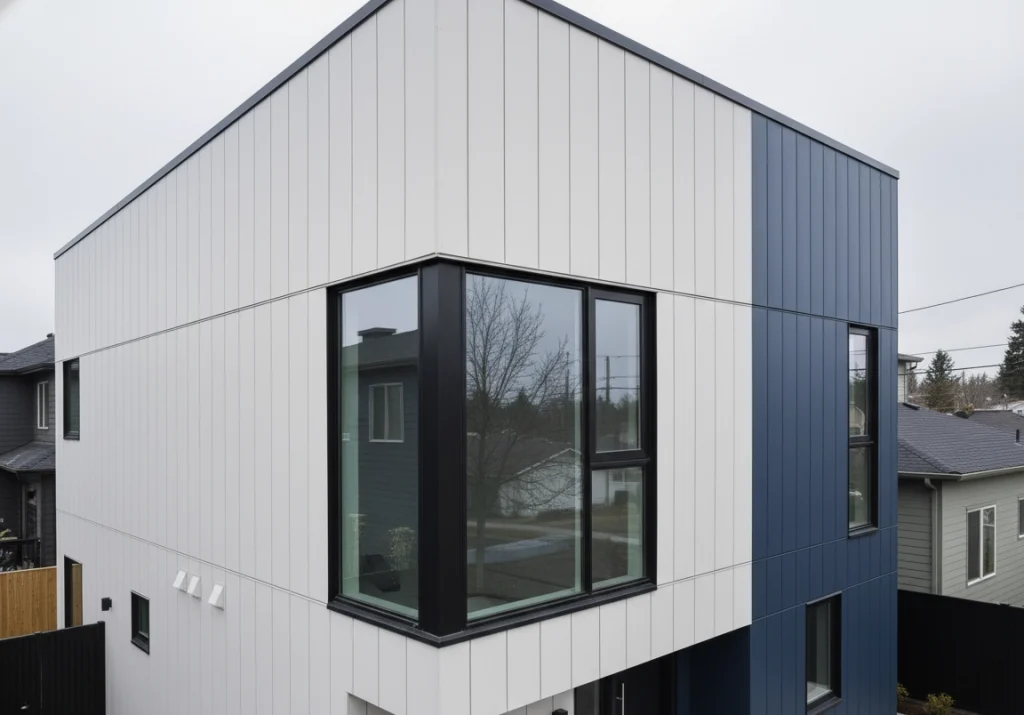
Fibre cement boards give you sharp edges, consistent colours, and a ventilated rainscreen build that handles UK weather well. They do not warp or rot and they hold paint colour much longer than most site applied finishes.
Design options
You can take them modern with long horizontal planks or go coastal with lap siding vibes. Factory finishes range from solid colours to subtle woodgrain effects. Mix light and dark shades to break up large elevations.
Why people choose them
They are robust, low maintenance, and non combustible in many product lines. That makes them a strong pick for urban plots and extensions close to boundaries. Ask for certified fire performance data and follow the system details as supplied.
Metal Cladding When You Want Modern with Edge
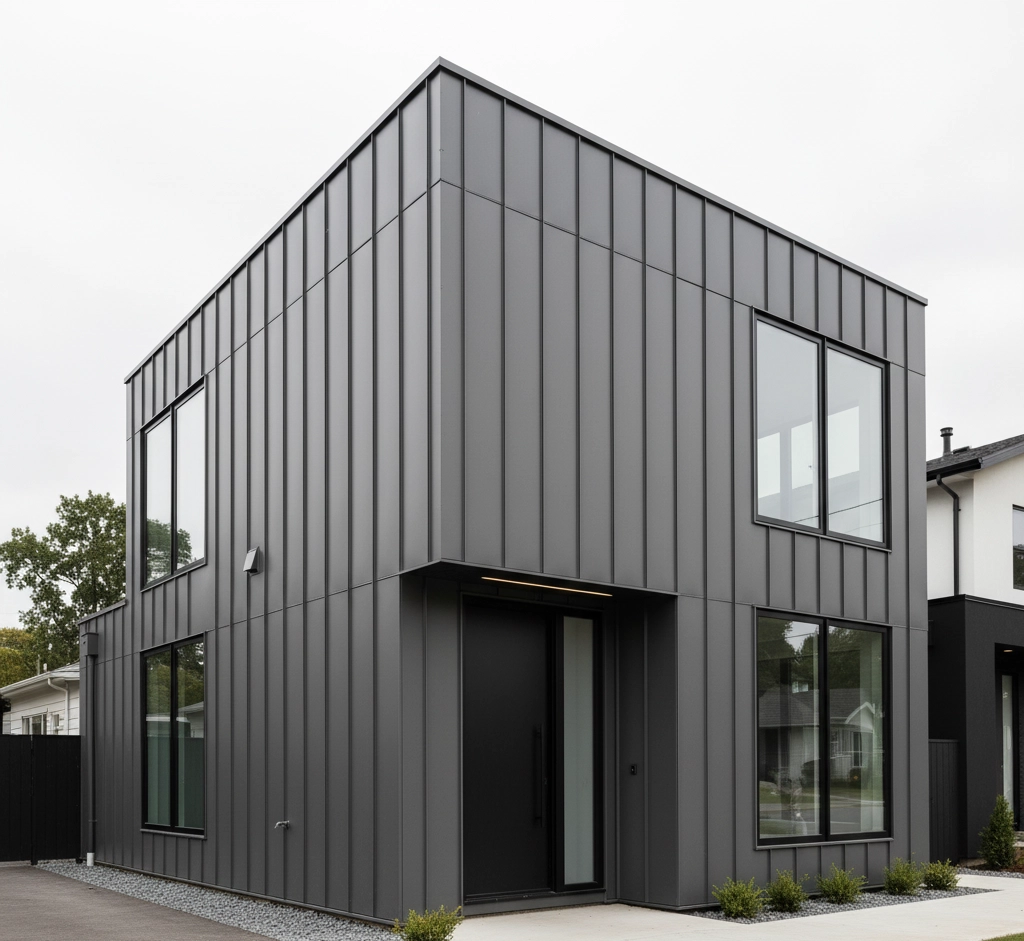
Aluminium, zinc, steel, and occasionally copper can transform a plain house into a design forward statement. Metal rewards crisp detailing, clean junctions, and confidence.
Profiles
Standing seam is the poster child for modern cladding. Flat cassette panels are another route with larger, bolder geometry. You can run seams vertically or horizontally. Vertical seams feel taller and more tailored. Horizontal reads wider and more industrial.
Finishes
Pre-painted aluminium brings a wide colour palette with stable coatings. Zinc weathers to a matte patina. Corten steel delivers a rusted architectural look, though runoff management is important. Always check local planning guidance for reflective or unusual finishes.
Best placements
Upper storeys, dormers, and extensions where a change of material defines the new from the old. Metal pairs well with timber or brick for balance.
Brick Slips for Instant Familiarity
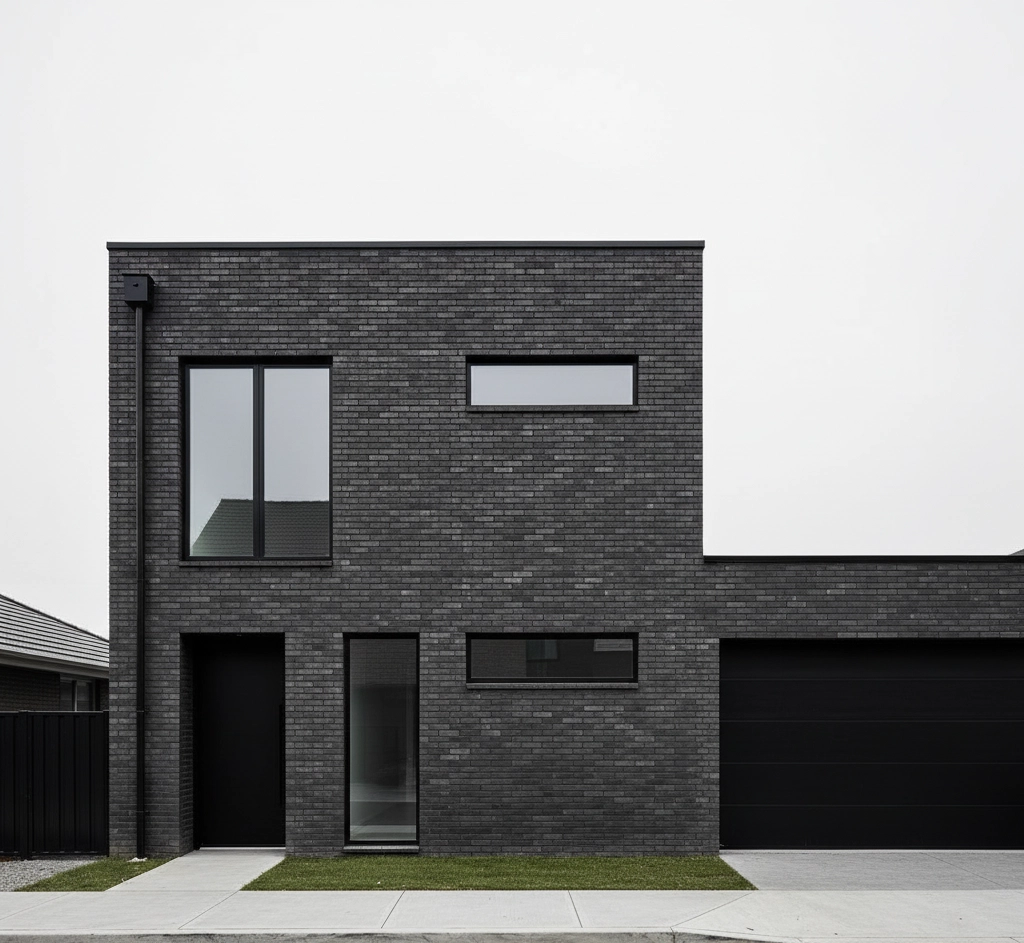
Brick slips are thin slices of brick that attach to carrier boards or adhesive backed systems. You get the look of brick without building full thickness masonry.
Why they work
They blend with traditional streetscapes, help extensions feel at home, and avoid loading issues where foundations are limited. Joints, bond pattern, and mortar colour matter as much as the slips themselves. Mock up a panel before you commit.
Smart combinations
Use brick slips at ground level for durability, then step to timber or fibre cement above for texture shift and cost control. This layered approach gives depth without visual fuss.
Stone Veneer for Texture and Heritage Feel
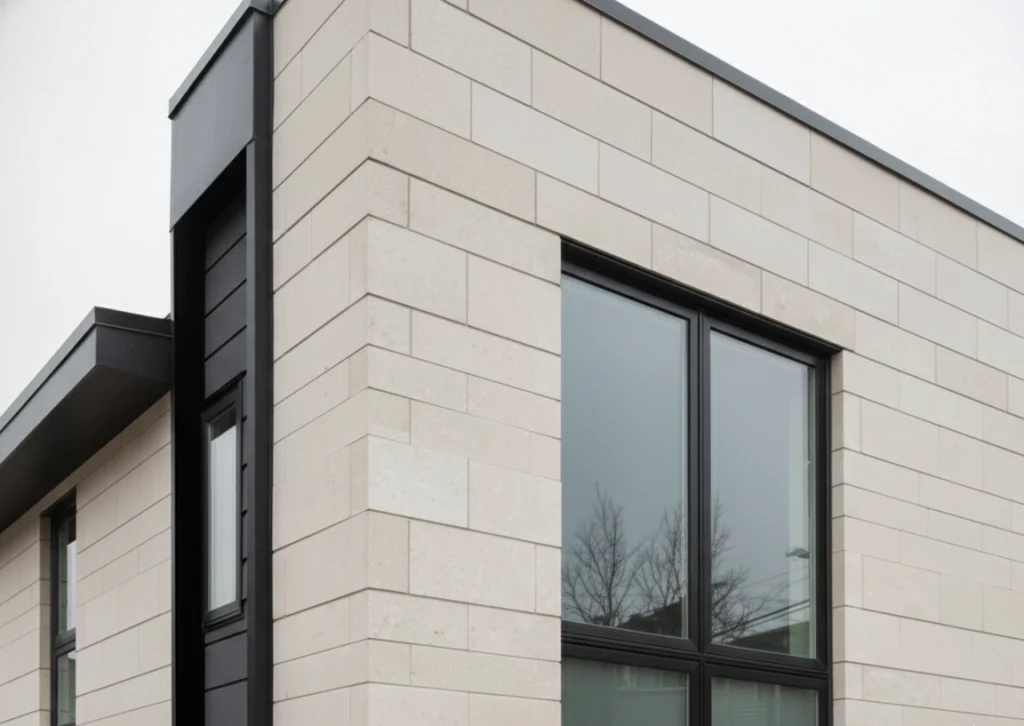
Engineered stone and natural thin stone veneer give you authentic texture at a fraction of the weight of full stone. They can transform a bland plinth or entrance.
Design tips
Keep stone to strong architectural zones. Think plinths, porch piers, chimney stacks, or a feature wall. Pair with simple render or fibre cement to avoid a busy facade. Choose a tidy coping detail to keep water off the top edge.
Render Systems for Clean Minimalism
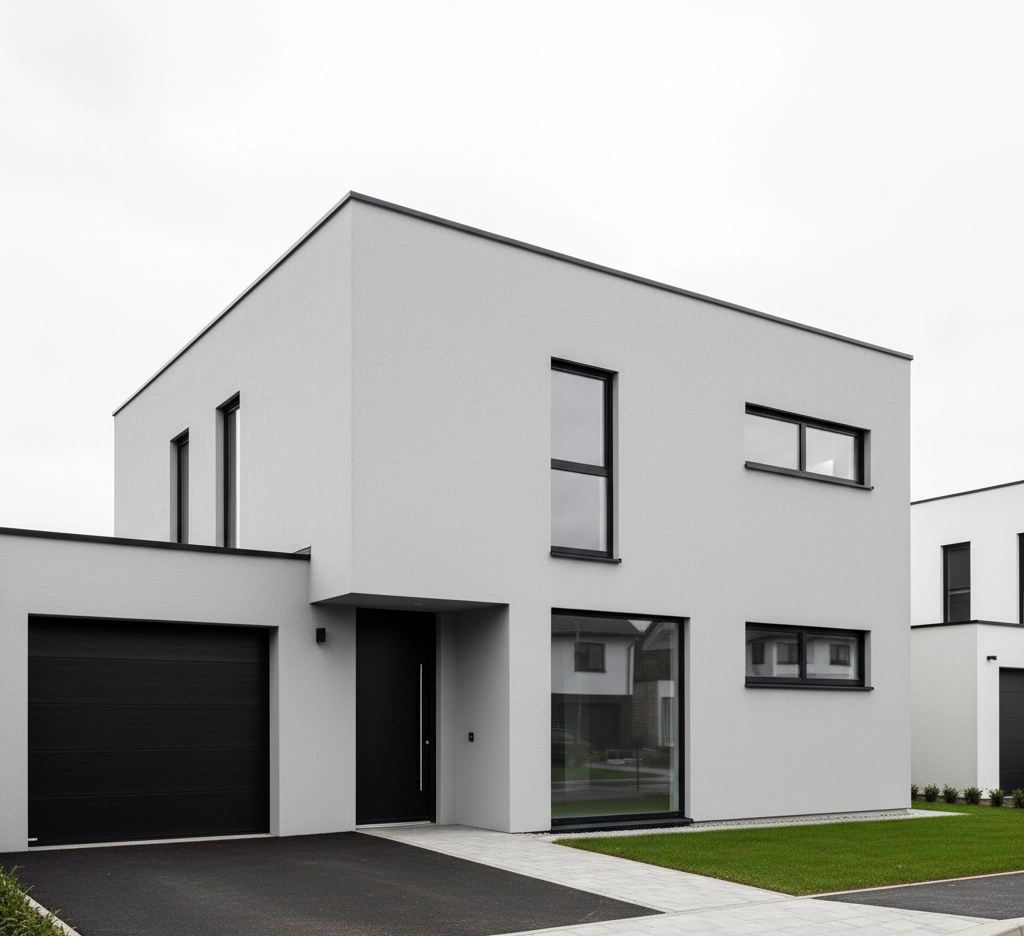
High performance render over insulated boards or over suitable substrates remains one of the neatest ways to modernise an elevation.
Looks that last
Silicone or acrylic modified render resists cracking and staining better than older mixes. Soft whites and warm greys work with almost any window colour. Dark render can overheat or show salt marks in exposed settings, so judge the orientation and local weather.
Good practice
Specify beads and trims at corners, window reveals, and base lines. Add a slight plinth step and drainage channel to keep splash back off the render. If you are upgrading insulation, consider an external wall insulation system with render as the finish for both performance and a fresh look.
Mix and Match Like a Designer
Some of the best external wall cladding ideas come from combining two or three materials with a disciplined hand.
Rules that help
Pick one hero material and one supporting material. Use the third only for accents. Change materials where the building mass changes rather than mid wall. Align breaks with columns, window lines, or floor levels. Keep trims from one manufacturer wherever possible so colours and gloss levels match.
Three strong combos
- Timber with dark standing seam at dormers and a pale render ground floor
- Fibre cement in a warm grey with brick slip plinth and black window frames
- White render with charred timber and slim aluminium reveals for sharp contrasts
Details You Must Get Right
Cladding succeeds on details. The big ideas matter, but the small junctions keep water out and lines clean.
- Allow a ventilated cavity behind the boards so moisture can escape
- Use stainless fixings and follow the manufacturer’s spacing
- Lift cladding off paving with a clear drip and insect mesh
- Finish around windows with purpose made trims or folded flashings
- Step flashings neatly where cladding meets roofs and porches
- Plan service penetrations so satellite cables and pipes do not ruin the look
Planning, Building Control, and Neighbours
Most simple cladding changes fall under permitted development if you are not in a conservation area and you are not changing the use of the building. Listed buildings, flats, and some estates have restrictions. If fire performance is relevant for your property type and height, choose tested non combustible systems and follow the system literature. A quick pre application chat with your council can save time and friction.
Budgeting Without Guesswork
You can sense check a cladding budget in minutes.
- Measure the elevations to understand the area to be clad
- Decide if you will add external insulation as part of a system
- Choose your primary material and profile
- Add costs for trims, flashings, membranes, battens or rails, fixings, and scaffolding
- Include removal and disposal of old finishes if needed
- Carry a contingency for making good around windows and corners
Ask contractors to itemise these pieces so you can compare like for like. If one price is far lower, look for missing trims, membranes, or substructure rather than assuming you found a bargain.
How to Choose Colours that Age Gracefully
Exterior colours look lighter in bright daylight and darker in shade. Always test outdoors. Warm mid greys, soft off whites, and muted earth tones tend to age better than stark primaries. If you love bold colour, use it on smaller planes like entrance recesses, dormer cheeks, or balcony panels. Keep the main field colour calm so the house does not date quickly.
Windows, Gutters, and Lighting
- Cladding looks best when the supporting cast is considered.
- Windows with slim dark frames set off pale cladding with crisp contrast
- Deep reveals add shadow and make cheap materials read richer
- Half round gutters feel traditional, box gutters feel modern
- Simple wall lights with warm colour temperature make texture pop at night
- Hide downpipes in shadow lines where possible
External Wall Cladding Ideas for Specific House Types
Victorian and Edwardian terraces
Stay sympathetic on the street face. Keep brick where it is special. Use timber or fibre cement on rear extensions and dormers. Slim black frames and soft grey boards feel current without clashing with originals.
Post war semis and bungalows
Clean lines suit these homes. Try fibre cement in a warm grey above a brick slip plinth. Or go white render with a timber gable to add warmth. Bungalows benefit from vertical cladding to add height.
Modern new builds
Lean on contrast. Metal at the top, timber at the entrance, and a calm render field is a reliable recipe. Keep junctions crisp and avoid too many colours.
Sustainability and Lifecycle Thinking
If you want the greenest result, look beyond the product brochure. A durable non combustible facade that needs almost no maintenance can beat a short lived material that needs frequent re coating. Timber can be low carbon when sourced responsibly and detailed to shed water. Metal has a higher upfront footprint but long life and full recyclability. The most sustainable choice is the one you install once and keep looking good with minimal intervention.
Common Mistakes to Avoid
- Choosing material by sample alone without seeing full elevations
- Mixing too many textures and colours on one facade
- Forgetting ventilation behind the cladding
- Running boards straight to paving where splash back stains the base
- Using coated steel fixings near the coast instead of stainless
- Skipping proper edge trims to save cost at order stage
FAQs
Will cladding help with insulation?
Yes when combined with external wall insulation in a tested system. A ventilated cavity still sits in front to let the facade dry.
Is cladding suitable for coastal homes?
Choose materials rated for marine environments. Stainless fixings and stable composites or fibre cement are popular. Avoid cheap coated steels.
Can I clad over existing render?
Sometimes. The substrate must be sound, dry, and able to take fixings or rails. Many systems prefer direct fix to battens or a metal frame with a breathable membrane.
Do I need maintenance?
Every finish needs occasional care. Composites and fibre cement need little more than a wash. Timber needs inspection and re coating if you want to maintain colour.
Final Thoughts and Next Steps
Strong external wall cladding ideas start with a clear goal. Decide whether you want warmth, minimalism, or bold contrast. Pick one hero material and one supporting player. Detail the edges and openings with care. Ask installers to price a full system with trims, membranes, and ventilation so performance matches the look.
Ready to Design and Install with Confidence?
Your facade works every hour of every day. A tidy design and a correct build up keep it looking sharp and performing well. At LD Roofing, we help homeowners turn ideas into a durable specification. We survey the property, discuss styles and maintenance levels, and present options with photos, samples, and a clear scope. Whether you want timber, fibre cement, metal, or a mixed facade with insulation upgrades, our team delivers neat detailing and honest advice. We work primarily in the Bedfordshire, Milton Keynes and Northamptonshire areas as well as further a field.
Get in touch with LD Roofing by calling 01604 372453 or fill out our online enquiry form to book a FREE facade assessment or request a fixed, itemised proposal. If you are exploring external wall cladding ideas, we will map the options to your budget and your home so you know exactly what will be installed and how it will perform for years.